5 Sweets That Make Janmashtami Special
- Aniket Sharan
- Jul 24, 2025
- 3 min read

Celebrating Janmashtami here in the UK is no less festive, whether it's a small flat in London or a busy home in Birmingham! It's the small things that make it special: flowers placed nearby the idol, sweet delight boxes opened just before the aarti, that aren't just sweets; they are memories, they are traditions, and they fit a certain feeling of the festival. After a quiet evening puja, we share traditional sweets, or we gather community with individual boxes of sweets cooked, prepared and packed as prasad. The five sweets we collected in this blog are rooted in the meaning of Janmashtami and within every home, no matter how far they are from Mathura.
The Sweet Krishna Would Steal Without Guilt
Just butter and sugar crystals, and that's it. But there is a beauty in that simplicity. It reminds us of the little Krishna, who loved to sneak into homes to steal freshly churned butter. Every time we lay out Makhan Mishri at our home temple, it seems like another little acknowledgement of stories from our childhood. It takes no time at all to make and even less time to disappear. It's also a no-cook option, which is handy, especially when cooking is not an option, but I want to carry on traditions.
Ladoo That Looks Like It’s Been Rolled in Sunshine
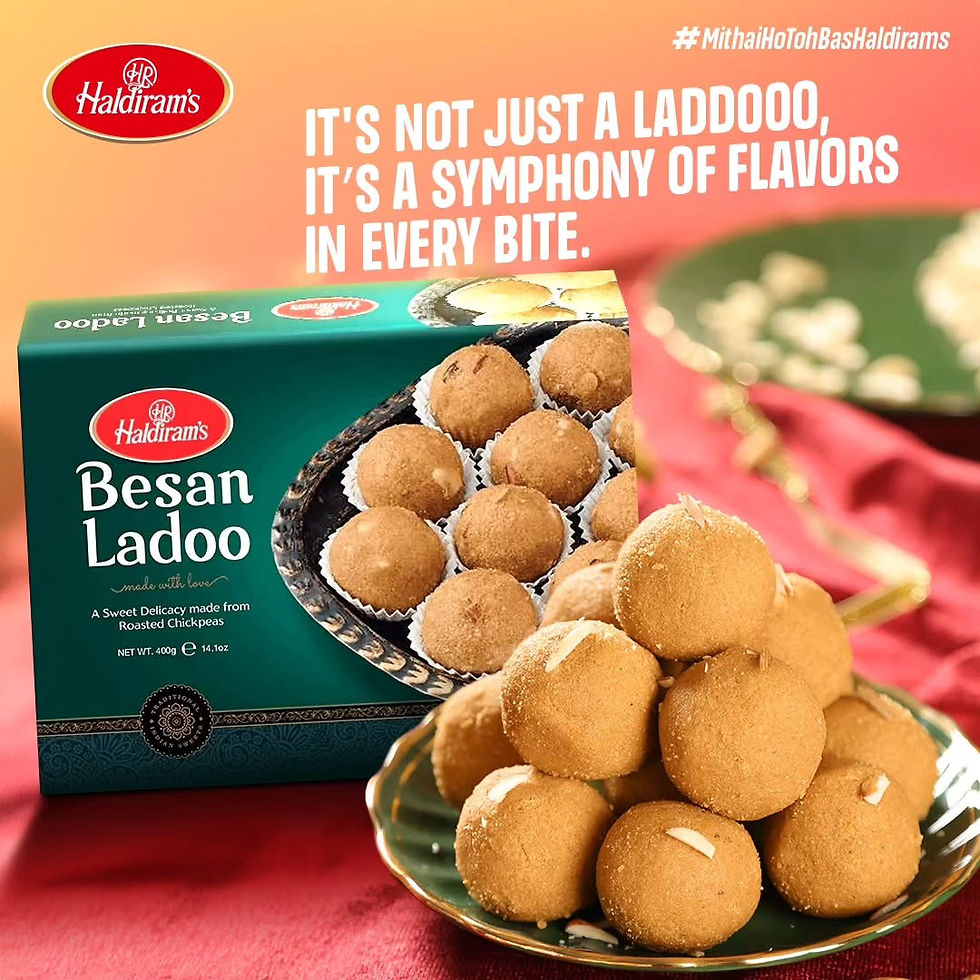
A proper festival favourite. There are many who believe ladoos were one of Krishna's most favourite sweets. When you open a box of Moti Choor Ladoos, the first thing you notice is the delicious aroma of ghee and cardamom. Each ladoo is fluffy and bright, with tiny pearls of flavour. Whether you make them or get a ready-made box of ladoos from Haldiram's UK’s online store, it fits right into a Janmashtami celebration. Ladoos are easy to store and if you're having a larger gathering, are also a great kid-approved prasad that will disappear quickly from the thali.
A Fudge That Smells Like Devotion on a Plate
This sweet has a nice name; Mohan, which means charming or attractive, is another name for Krishna. Made from roasted gram flour, ghee, and sugar, Mohanthall is dense, rich and deeply satisfying. Once you pour it into a tray and leave it to set, the smell of cardamom and the crunch of the nuts, made you feel like it was made with love! It’s the sweet that suits traditional home pujas as well as slightly more elaborate festive spreads. If you’re looking
A Bite-Sized Blessing Straight from Mathura
One sweet that consistently evokes smiles is Mathura Peda. Mathura, the home of Krishna and devotees of Krishna, is full of that slow-cooked richness that is only achieved when milk is reduced by time and love. Soft and grainy on the tongue, lightly perfumed with cardamom, is the type of sweet that has a tale in every morsel. One version of the tale goes that Yashoda boiled milk a bit too long and the result was peda that Krishna, of course, loved at first taste! You can make it hot and fresh, or you can buy it from a trusted sweet maker or sweet shop. Whatever the case, Mathura peda is festive and a traditional classic that always brings something special to the bhog tray.
Syrupy Softballs That Chill the Bhog Table
Light, juicy, and soft - this Bengali sweet is always a hit! Rasgullas should be served cold from a tin. After the puja when friends and family drop by, it is a refreshing sweet. Rasgullas are generally prepared from chenna and soaked in syrup. They are usually served on silver trays or in small bowls as part of the bhog. They are easy to store, travel well and taste good too. This is especially useful if you want something cold to balance the richer mithai.
A Note on Gluten-Free Festive Choices
Some people are now becoming more mindful of their diets during festivals. If you’ve ever wondered what happens to your body when you start eating gluten-free, you may be surprised to learn that many traditional Indian sweets are naturally gluten-free. Sweets like Makhan Mishri, Rasgullas, and Mathura Peda are made without wheat-based ingredients. So, even when celebrating Janmashtami with family or friends who follow a gluten-free diet, it’s possible to put together a sweet delight box that’s both inclusive and delicious.
Whether you’re preparing for a family gathering or sending blessings across cities, a festive gift box filled with these traditional sweets is a thoughtful way to celebrate Janmashtami. Each sweet carries its own story and emotion, making it more than just a treat. It’s a way to stay connected to tradition, to loved ones, and to the joy that this beautiful festival brings into every home.


Comments